Jamaican Food Recipes Passed Down Through Generations
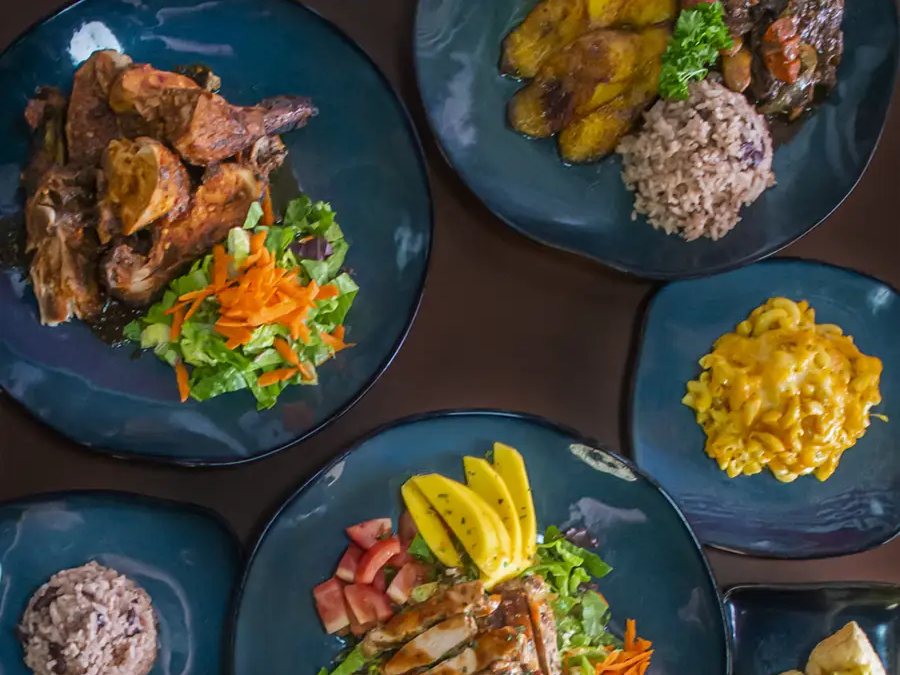
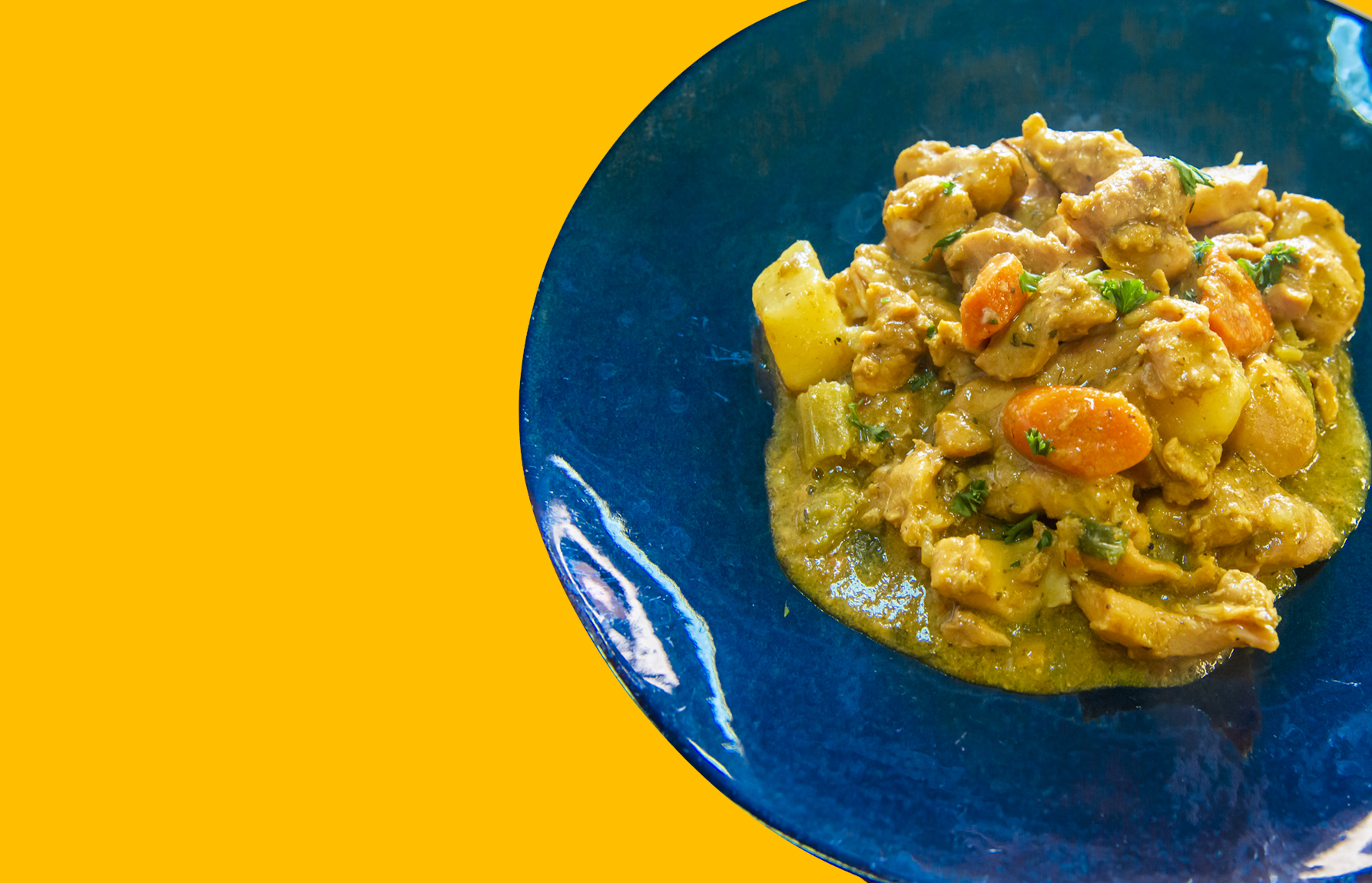
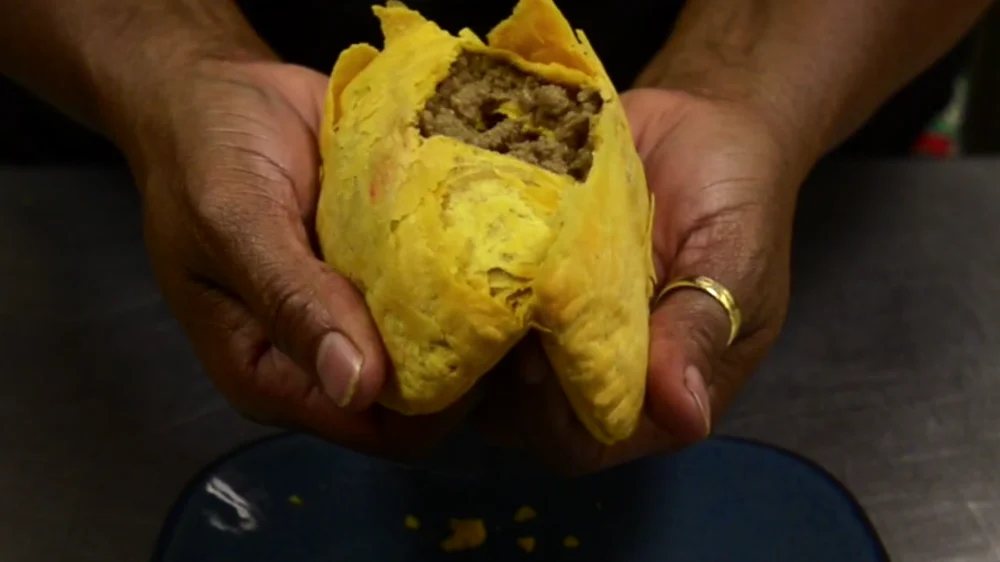
Jamaican food carries memory in a way few cuisines do. A pot of rice and peas can tell you which day of the week it is. A Dutch pot of curry goat can tell you whether a wedding is near. The smell of pimento wood smoke drifting over a yard can take someone back thirty years in a single breath. Recipes survive because they are delicious, of course, but that is only part of the story. They also survive because families repeat them until they become instinct. Measurements turn into gestures. Timing becomes sound, sight, and smell. You know the oil is ready for festival when the first pinch of dough rises slowly, not fast. You know the stew peas needs more time when the red peas are soft but not yet creamy enough to cloud the gravy.
That is how many of the best Jamaican dishes have been carried forward, not from glossy cards tucked into binders, but through observation, correction, and repetition. A grandmother says, “leave it a little longer.” An uncle tells you not to drown the fish in vinegar because the escovitch has to stay bright, not harsh. A parent reminds you that coconut milk added too early can split if the fire is too aggressive. These are not dramatic lessons, yet they define the difference between food that tastes fine and food that tastes like home.
Why these recipes endure
Jamaican cooking is often described through its bold flavors, and that part is true. Scotch bonnet, scallion, thyme, ginger, pimento, allspice, coconut, and browning all leave a clear signature. But the deeper reason these recipes endure is balance. The heat is rarely there for spectacle alone. Pepper sharpens sweetness, salt anchors spice, acid lifts richness, and herbs carry aroma through every layer.
The island’s food culture also reflects history with unusual clarity. African techniques, Indigenous ingredients, British colonial influence, Indian indentureship, Chinese migration, and the practical discipline of rural home cooking all show up on the plate. That is why Jamaican food can move comfortably from salted cod cooked with ackee to curried goat rich with turmeric and garam masala notes, then over to cocoa tea or cassava pone without feeling borrowed or stitched together. The cuisine has absorbed and transformed these influences across generations until they feel native to one table.
There is another reason family recipes matter. Jamaican cooks often build flavor economically. Tougher cuts become tender through patience. Salted fish stretches a meal. Beans, ground provisions, and flour-based staples turn a modest pantry into something deeply satisfying. Those habits came from necessity, but they developed into culinary strengths. Even today, some of the best dishes rely less on expensive ingredients than on judgment.
The unwritten rules of a Jamaican kitchen
Before getting into specific recipes, it helps to understand the quiet rules older cooks tend to follow. They are seldom written down because, in many households, they are treated as obvious.
- Season in layers, not all at once.
- Give onion, scallion, thyme, and garlic time in the fat before adding liquid.
- Respect the pepper, but do not let it bully the pot.
- Taste near the end, because salted meats and coconut milk shift as they cook.
- Let certain dishes rest before serving, especially stews and rice dishes.
That last point gets overlooked. Rice and peas tastes better after it sits for a few minutes off the heat and the grains settle. Curry goat often tastes even better the next day because the spices round out and the meat reabsorbs the sauce. Jamaican food rewards patience at nearly every stage.
Ackee and saltfish, the dish that teaches restraint
No discussion of inherited Jamaican recipes is complete without ackee and saltfish. It is the national dish, but that label can flatten what makes it special. Good ackee and saltfish depends on restraint. Too much stirring and the ackee turns to mush. Too much salt and the cod overwhelms the fruit. Too many add-ins and the dish loses its clean, soft, savory character.
The best versions begin with proper preparation of the saltfish. It needs soaking and boiling to remove enough salt without stripping all of its flavor. Experienced cooks taste a small flake before it ever reaches the pan. That quick check matters because brands vary, and what worked last time may not work today. The fish is then picked apart carefully, not shredded into threads, but left in pieces substantial enough to hold their own.
The seasoning base is usually onion, scallion, thyme, tomato, black pepper, and often a bit of Scotch bonnet. Some households add sweet bell pepper for color and mild sweetness. Others avoid it because they feel it waters down the dish. Both approaches can work. The important thing is not to swamp the ackee. It should still taste delicate and buttery, with the saltfish and seasonings woven through it rather than piled on top.
Fresh ackee, when available and properly cleaned after naturally opening on the tree, has a texture that canned versions struggle to match. It is softer but also more distinct, less wet, less likely to collapse. Still, many excellent home cooks rely on canned ackee and know how to handle it. The trick is gentle heat and very little agitation. Fold it in at the end, warm it through, then stop. Too many well-meaning cooks ruin ackee by trying to “finish” it with extra stirring.
Served with fried dumpling, roasted breadfruit, boiled green banana, or bammy, ackee and saltfish shows one of the great strengths of Jamaican food. It can feel both everyday and ceremonial at once. It appears on breakfast tables, holiday mornings, and Sunday spreads with equal confidence.
Rice and peas, more technique than recipe
Ask someone outside Jamaica what rice and peas is, and you often get a simplified answer: rice cooked with beans. That misses the point. A proper Jamaican pot of rice and peas is as much about texture, aroma, and proportion as it is about ingredients. It is usually made with red kidney beans or what many Jamaican cooks simply call peas, plus coconut milk, thyme, scallion, garlic, onion, and whole Scotch bonnet. Sometimes pimento goes in. Sometimes it does not. Families defend their version with surprising intensity.
The first crucial step is the peas. If using dried peas, they must be cooked until tender before the rice is added. Canned peas are convenient, but they rarely give the same body to the cooking liquid. Many older cooks value the starchy bean liquor because it helps create a fuller, more integrated flavor. Coconut milk then rounds out the pot, but the ratio matters. Too much and the rice becomes heavy, slick, and one-note. Too little and you lose the richness that makes rice and peas feel complete.
Then comes the question every serious home cook eventually obsesses over: grain separation. Rice and peas should not be gummy. The grains should be distinct, tender, and lightly coated with flavor. That means controlling liquid carefully and resisting the urge to stir once the pot is covered. Disturbing the rice at the wrong moment breaks the structure and produces a texture that no amount of thyme can fix.
On Sunday, this dish often sits beside chicken, oxtail, curried goat, or fried fish. Yet it can also be the meal’s main comfort, especially with a little extra gravy spooned over the top. More than one Jamaican family has judged the whole dinner by the rice and peas alone. When it is right, people notice. When it is wrong, they notice even faster.
Curry goat and the patience it demands
Curry goat reveals a lot about how recipes travel through generations. The dish reflects Indian influence, but Jamaican cooks made it their own long ago. The result is darker, hotter, and often more assertive than many Indian goat curries. It leans on Jamaican curry powder, fresh aromatics, and slow cooking until the meat softens into the gravy without falling apart.
Goat can be unforgiving if rushed. It is naturally leaner and firmer than many cooks expect, especially if the animal is older. That is why elders tend to marinate it generously and give it real cooking time. Not thirty minutes. More like an hour and a half to two and a half hours, depending on the cut, the age of the goat, and whether a pressure cooker is involved.
The seasoning stage is where family identity really shows. Some cooks add green seasoning with scallion, thyme, garlic, ginger, onion, and Scotch bonnet. Some include a touch of vinegar or lime https://collinbiux077.summitquill.com/posts/the-ultimate-guide-to-jamaican-food-for-first-time-food-lovers to freshen the meat before seasoning. Others swear by a spoonful of browning for depth, while purists argue that the curry should provide all the color needed. There is no single orthodox version, but there is a shared principle: the curry powder must be cooked in oil early, allowed to “burn” lightly so its raw edge disappears and its color deepens. Skip that and the whole dish tastes flat.
A strong pot of curry goat balances heat, earthiness, and a faint sweetness from onion and long cooking. The gravy should cling to the meat and spoon over white rice or rice and peas without looking watery. Potatoes are common, but they need judgment. Added too early, they disintegrate and muddy the sauce. Added too late, they taste separate rather than seasoned through.
This is party food, yes, but it is also teaching food. Younger cooks often learn timing, marination, and heat control through curry goat because the margins are narrow enough to matter. One aunt might say the goat is done when the bone shows itself. Another might insist it is done when the gravy oils slightly at the edge of the pot. Both are really saying the same thing: pay attention.
Escovitch fish, where sharpness meets finesse
Escovitch fish appears simple at first glance. Fried fish, then topped with a hot pickled dressing of vegetables and vinegar. Yet it takes more finesse than outsiders expect. The fish must be crisp but not dry. The escovitch sauce must bite without stripping the palate. The vegetables should still have some life left in them. When any one part is out of balance, the dish turns from vibrant to blunt.
Traditionally, whole fish such as snapper is scored, seasoned, and fried until the skin develops color and texture. The dressing usually includes onion, carrot, Scotch bonnet, and bell pepper, sometimes pimento berries, all briefly heated in vinegar with a little salt and sugar. The sugar matters more than people admit. Not enough and the acidity feels severe. Too much and the escovitch starts tasting like sweet pickle rather than a sharp accompaniment to fried fish.
What makes this recipe generational is how much of it depends on feel. The fish has to be dried properly before frying or the oil will fight back and the crust will suffer. The vinegar mixture should be hot enough to soften the vegetables slightly, but not so aggressive that they lose their snap. If the fish is drowned while piping hot, the skin can go soft too quickly. Many experienced cooks let the fish settle just a little before dressing it, especially if serving later.
Escovitch also tells you something important about Jamaican taste memory. Sourness is not used timidly. It is used with purpose. That bright edge cuts through fried food and keeps the dish lively from first bite to last.
Stew peas, the Sunday pot with real depth
Stew peas is one of the great comfort dishes of Jamaica, though people unfamiliar with it often underestimate it because of the name. This is not a thin pea soup. It is a deep, savory, coconut-rich stew usually made with red peas, salted beef or pig’s tail, spinners, and herbs. It is filling, fragrant, and layered in a way that rewards slow cooking.
The dish begins with peas cooked until soft enough to give body to the liquid. Salted meat contributes richness and complexity, but it needs careful desalting. Younger cooks sometimes underboil the meat before adding it to the pot, and the result is a stew that tastes aggressively salty instead of rounded. Older cooks rarely make that mistake because they have learned to treat salted meat as both seasoning and ingredient.
Spinners, the slim flour dumplings rolled by hand, add starch and substance. Their size matters. Too thick and they turn dense in the center. Too thin and they disappear into the stew. This is the kind of detail rarely captured in written recipes because it is easier to show than explain. Watch someone who has made stew peas for decades and the shaping looks almost absent-minded. Try it yourself the first time and you realize how much muscle memory is involved.
The coconut milk in stew peas should mellow the dish, not turn it sweet. Scotch bonnet should perfume the pot, not dominate it. And the final consistency should sit between soup and gravy, thick enough to coat a spoon but loose enough to ladle easily. When made well, stew peas feels deeply restorative, the sort of meal that can quiet a room for ten minutes because everyone is too busy eating.
The small side dishes that carry equal weight
One of the pleasures of Jamaican food is that side dishes are rarely afterthoughts. Fried plantain, bammy, festival, boiled yam, green banana, and roast breadfruit all do serious work at the table. They absorb sauce, counter heat, and create the contrast that makes the main dish land properly.
Festival, with its slight sweetness and crisp exterior, is especially beloved beside fried fish. The sweetness rounds off spice and vinegar in a way that feels almost engineered, though it came from tradition, not theory. Bammy, made from cassava, brings a different quality. When soaked lightly and fried, it offers chew, nuttiness, and enough sturdiness to stand up to escovitch and other bold toppings.
Breadfruit deserves special mention because it still carries the rhythms of rural and small-town cooking. Roasted over flame until charred outside and soft within, then peeled and sliced, it can turn a simple meal of ackee and saltfish into something memorable. Boiled provisions, too, remain central in many households because they are practical, nourishing, and tied to older eating patterns that valued satiety as much as flair.
What gets lost when recipes are simplified
Family recipes often flatten when they move online or across borders. That is not always a failure. People adapt to ingredient shortages, time pressure, and unfamiliar kitchens. Still, certain shortcuts change the dish more than people realize.
Using boneless, skinless chicken in place of traditional cuts for brown stew chicken alters both flavor and body because bones contribute gelatin and depth. Replacing fresh thyme with dried in a heavy hand can make a dish taste dusty. Using light coconut milk where full-fat is expected can produce a thinner result that needs longer reduction, which then affects the rice or stew differently. Even the type of pot matters sometimes. Heavy pots distribute heat more evenly and help stews settle into themselves. Thin pots catch, scorch, and encourage fussy stirring.
There is also the question of pepper. Many cooks outside Jamaica either remove Scotch bonnet entirely or use far too much. The right amount depends on the dish and the audience, but the goal is not simply fire. Whole pepper infused into a pot gives fragrance with controlled heat. Chopped pepper changes the entire profile. That distinction shows up constantly in inherited recipes.
A lot of traditional Jamaican cooking is really about reading thresholds. How much salt is enough once the liquid reduces. How dark browning should go before bitterness appears. How long to fry dumpling so it cooks through without becoming oily. These are judgment calls, and judgment is exactly what generations teach.
If you want to cook these dishes well
A written recipe can get you close, but a few habits will take you much farther.
- Taste ingredients before they enter the pot, especially salted fish, cured meat, canned coconut milk, and hot peppers.
- Give marinades time to work, because seasoning the surface is not the same as seasoning the meat.
- Use moderate heat more often than high heat, particularly for stews and rice dishes.
- Watch for texture cues, not just the clock.
- Cook the dish more than once before deciding the recipe is wrong.
That last point matters. The first attempt teaches the mechanics. The second teaches where your stove runs hot, how your pot behaves, and whether your brand of curry or coconut milk needs adjustment. The third attempt is often where the dish starts to feel like yours.
The role of memory at the table
People tend to talk about traditional food as if the recipe itself is the inheritance. Often it is not. The inheritance is the memory around it. The way sorrel was always strained into a big jug on Christmas Eve. The way one relative insisted on larger dumplings and another argued for smaller ones. The way children were sent to wash scallion at the sink and learned the smell before they learned the method.
That memory shapes taste. Many Jamaicans can identify when a dish is “almost right” even if they cannot immediately name the missing step. Maybe the rice and peas lacks enough thyme. Maybe the curry goat was not allowed to rest. Maybe the ackee was stirred too hard. These judgments are not abstract. They come from repeated meals over years, from cooking that was observed long before it was attempted.
For families in the diaspora, these recipes often become even more charged. Ingredients change. Climate changes. Time changes. Yet the impulse to preserve the dish remains strong because food becomes one of the clearest ways to keep language, rhythm, and family habit intact. Someone may live in Toronto, London, New York, or Miami and still argue over the proper texture of plantain or the best way to soak saltfish. That is not nostalgia for its own sake. It is continuity.
What these recipes teach beyond cooking
Passed-down Jamaican recipes teach thrift, patience, and confidence. They teach that flavor can be built from bones, beans, herbs, and time. They teach that measurements matter, but senses matter more. They teach flexibility without surrendering standards. If the market has no goat, maybe you cook curry chicken. If fresh ackee is unavailable, maybe you use canned carefully. If your Scotch bonnet is fiercer than usual, you adjust. But you still aim for the same integrity of taste.
They also teach hospitality. Jamaican food is rarely shy. It is cooked to be shared, discussed, judged, praised, and compared. A good cook expects people to notice. That confidence is part of the tradition too. When someone puts down a dish and says, “eat this while it hot,” there is generosity in it, but also pride.
That is why these recipes keep moving from one generation to the next. Not because they are frozen in time, but because they remain useful, meaningful, and delicious in real kitchens. A pot of stew peas still fills a house with the same promise it did decades ago. Rice and peas still anchors a Sunday plate. Ackee and saltfish still asks for a careful hand. Escovitch still wakes up the palate. Curry goat still rewards whoever is patient enough to wait for it.
The recipes last because they were never just recipes. They were lessons delivered over steam, over chopping boards, over crowded counters and Sunday dinners. Jamaican food, at its best, carries all of that forward in every plate.
Reggae Pot Jamaican Grill
2243 S Monaco St Pkwy #104
Denver, CO 80222
+1 720-410-2956
FAQ About jamaican food
What is the best Jamaican food to try in Denver?
The best choice depends on your tastes. Popular options include jerk chicken, curry goat, slow-cooked oxtail, and savory patties. Reggae Pot lists these dishes on its menu, with sides such as rice and peas and plantains. Ask the Denver team about current availability and spice levels.
Is Jamaican food very spicy in Denver?
Heat varies by dish and preparation. Jerk seasoning often includes scotch bonnet peppers alongside herbs and allspice, while other dishes may have gentler seasoning. Ask about the heat of the specific dish and any sauce before ordering.
What are some popular Jamaican snacks?
Jamaican patties are a popular snack made with flaky pastry and savory meat or vegetable fillings. Other options include fried dumplings and festival, a sweet fried dough often served with savory dishes. Availability varies, so check the current menu when ordering.